
My Role
Project 1: Help the team to visualize speculative AI-powered interfaces focused on improving a educational internal tool.
Project 2: I was also given an opportunity to pitch the team and carry out the entire design process for a new product idea that focuses on reducing hesitancy during IOUs within the GenZ population.
Project 3: Help generate the IA and create layout options for an internal confluence site.
Scope
In summer 2025, I worked as a UXD intern at Fidelity's FCAT group. I was tasked with researching and designing an education tool that leverages the large language model (LLM), pitch/design and present a new idea for the team to develop in the future, and assisted with the layout ideation and the IA of a internal confluence website.
While I am unable to share any details related to this project, this is a high-level overview of my design process for each!


User Research & Discovery
Conducted interviews and usability tests with interns to identify opportunities for improvement in the educational tool. Explored new feature ideas based on their feedback, with special attention to how AI could personalize and streamline the learning experience.
UI Simplification & A/B Testing
Led A/B tests comparing new speculative UI designs to the existing interface. Focused on creating intuitive, accessible layouts that lowered the barrier for users, while exploring ways to integrate AI-driven suggestions within the learning process.
Design Concepts & Mockups
Transformed research insights into high-fidelity mockups and interactive prototypes. Presented these designs to the team for feedback, iteratively refining them to balance innovative AI features with user-friendly experiences.
DISCOVERY & BRAINSTORM
Brainstormed several product concepts addressing GenZ financial habits. Used survey data to prioritize ideas, focusing on the concept with the strongest signals for both user need and technical feasibility.
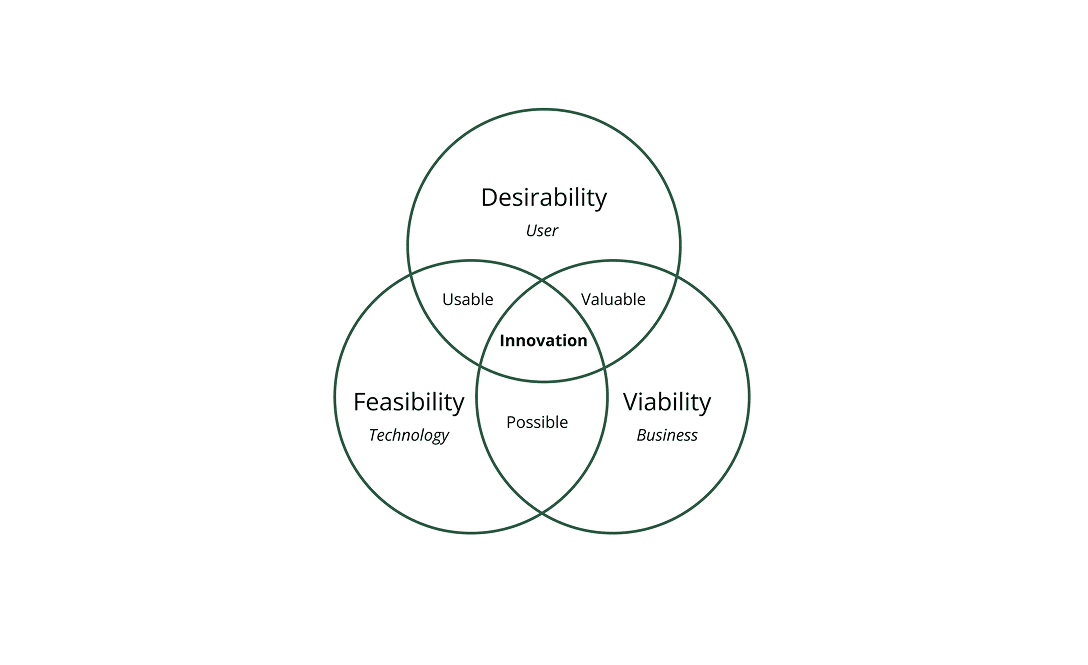
User Goal
Interviewed peers and constructed user personas to understand specific pain points and goals. Built a user journey map to visualize key touchpoints and problem areas, providing clarity for the design direction.

COmpetitive Analysis
Explored existing tools and mapped competitor offerings to highlight whitespace opportunities. Used a positional map to clarify how our product could differentiate itself in functionality and user experience, especially around transparency.

AI insights
Discovered users are skeptical about AI “black boxes” handling their finances. Transparency became a top priority. Ideated real-time, animated transaction flows to visually explain AI-powered actions, building user trust and understanding.
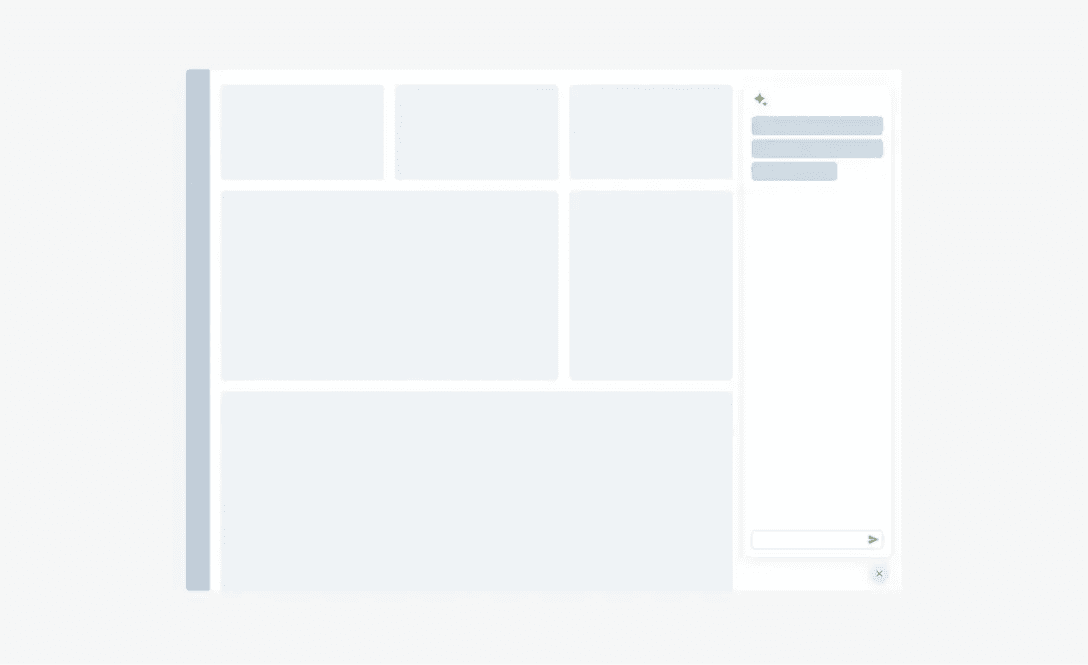
AI Exploration
Experimented with various LLM-powered features, prototyping ways to let users interact with and question the system rather than just following opaque recommendations. The goal: create an engaging, transparent, and educative flow for every learning experience.
NEXT STEPS
Continue iterative testing with users to refine features, explore additional communication strategies for AI transparency, and gather feedback on animation-driven explanations. Plan to develop higher-fidelity prototypes and run further A/B tests.
TAKEAWAYS
This project gave me a hands-on opportunity to own the full product design process—from early ideation all the way through user research, prototyping, and testing. Navigating the challenges of designing with AI for transparency and trust made me rethink what “user-centered” truly means in the age of intelligent tools. I learned the value of continuous user engagement, especially when aiming for solutions that are both intuitive and genuinely innovative. Looking back, this experience pushed me to become a sharper and more empathetic designer, always searching for that intersection of impact and usability.
Special thanks to FCAT AIX, FCAT DSAI, FCAT Design, and all the amazing Fidterns who shaped this journey!
INFORMATION architecture
Collaborated with content owners to define the structure of the new internal site. Organized content into logical, navigable categories to facilitate knowledge sharing and streamline onboarding.
Layout Designs
Created and tested multiple wireframe options for internal stakeholders, balancing clarity, accessibility, and scalability. Iteratively refined the page layouts based on feedback to ensure easy discoverability of information and seamless team collaboration.